The situation
The International Community School in Abidjan is a smaller international school with an open admissions policy and a genuine commitment to inclusion. When April first arrived in 2022, the school was mid-expansion, growing their learning support team from two teachers to four in a single year, adding two full-time assistants alongside them.
They had the values. They needed the systems.
April began with a whole-school learning support audit. That audit became the foundation for everything that followed.
A new principal, an existing relationship
When Jessica Delgado arrived as lower school principal in August 2025, April had already been part of the school's story for years. That history mattered immediately.
"When I mentioned teachers' names or the learning assistants, she knew who they were. For me, that was a real strength. Really important to me was, is this a person who knows the community, cares about the people she's met?"
The answer was yes. The partnership continued.
But inheriting a long-term partnership also meant inheriting its unfinished work.
What Jessica walked into
Jessica arrived to find a team that had grown in size but not yet in shared capacity. Learning assistants were present in classrooms but not fully integrated into professional learning. Teachers were stretched. And a growing number of students with higher-level needs, including six children with autism supported by individual one-to-one teachers, were being included in homerooms without the structures to properly support them.
"We were reacting. The children were thriving socially, the families were happy. But there was a whole other layer we weren't addressing."
How the work unfolded
April's work with ICSA over the following year spanned three areas.
1. Redesigning how learning assistants were developed.
Rather than optional, ad-hoc professional learning, April helped Jessica create a mandatory weekly program for all learning assistants. They completed the SENIA Level 1 coursework together as a group, which led to richer discussion and deeper learning than self-directed study ever had. That program now continues, led by a teacher taking on a new middle-level leadership role.
2. Coaching Jessica through complex leadership decisions.
With so many moving parts, Jessica needed a thinking partner who understood the full picture. April provided that through regular coaching calls, helping her stay organized, prioritize next steps, and build the case with school leadership for systemic change.
"She follows through on every single thing. Small details, one sentence in a conversation where she agreed to do something, and she follows through immediately. She helped me stay organized with all of my big thinking."
3. Connecting Jessica to a wider network.
When six one-to-one teachers needed specialized training in autism, April connected the school to an expert in South Africa. When ICSA wanted to launch a Life-Centered Education program, April linked Jessica to schools that had done it before, sharing room layouts, resource lists, and hard-won experience.
What changed
This school year, ICSA launched its first Life-Centered Education program for students with higher-level needs. The shift has been significant.
Teachers who were once overwhelmed now have a structure that supports them. Students who were included in name are now included in practice.
"With April's support, we launched a Life-Centered Education program. One child went from practically non-verbal to speaking and having friends in the classroom."
One moment captured the broader shift. A parent reached out to say her first-grade son wanted to be placed with his classmate who has autism the following year. His reason: he understands him, and he wants to help other classmates understand him too.
"It captures what we hope for all children. That we're all different and we all learn differently, and that doesn't make any one of us better or worse than the other."
What Jessica would tell another school leader
"Call her without hesitation. She can just listen and help you figure out what you need. Her support can be as small or as large as you need it to be. She evolved with me. As things at the school evolved and settled, her support evolved alongside me and my leadership."
Three years of trust built that. And it shows.
What a long-term partnership actually delivers
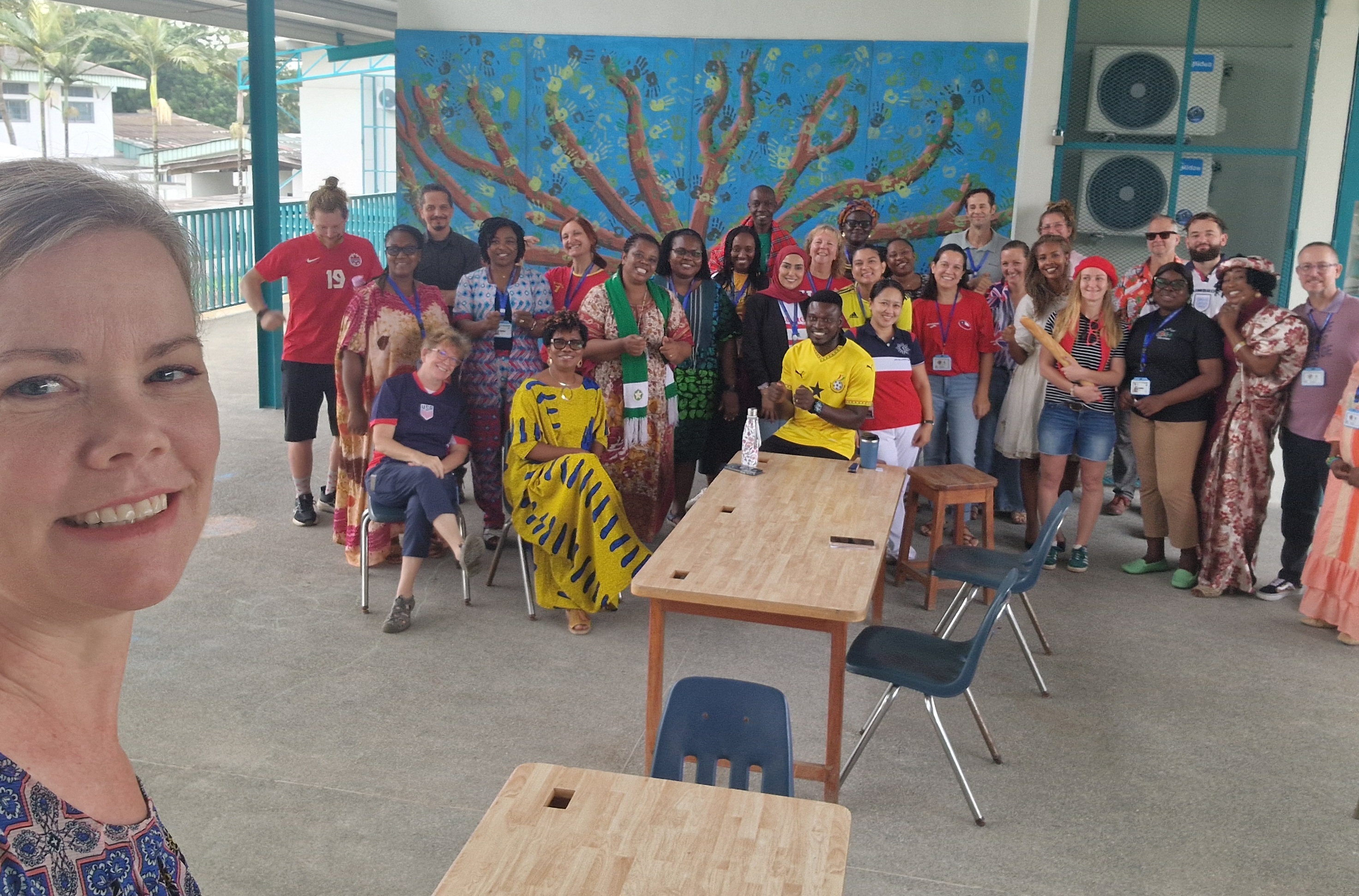
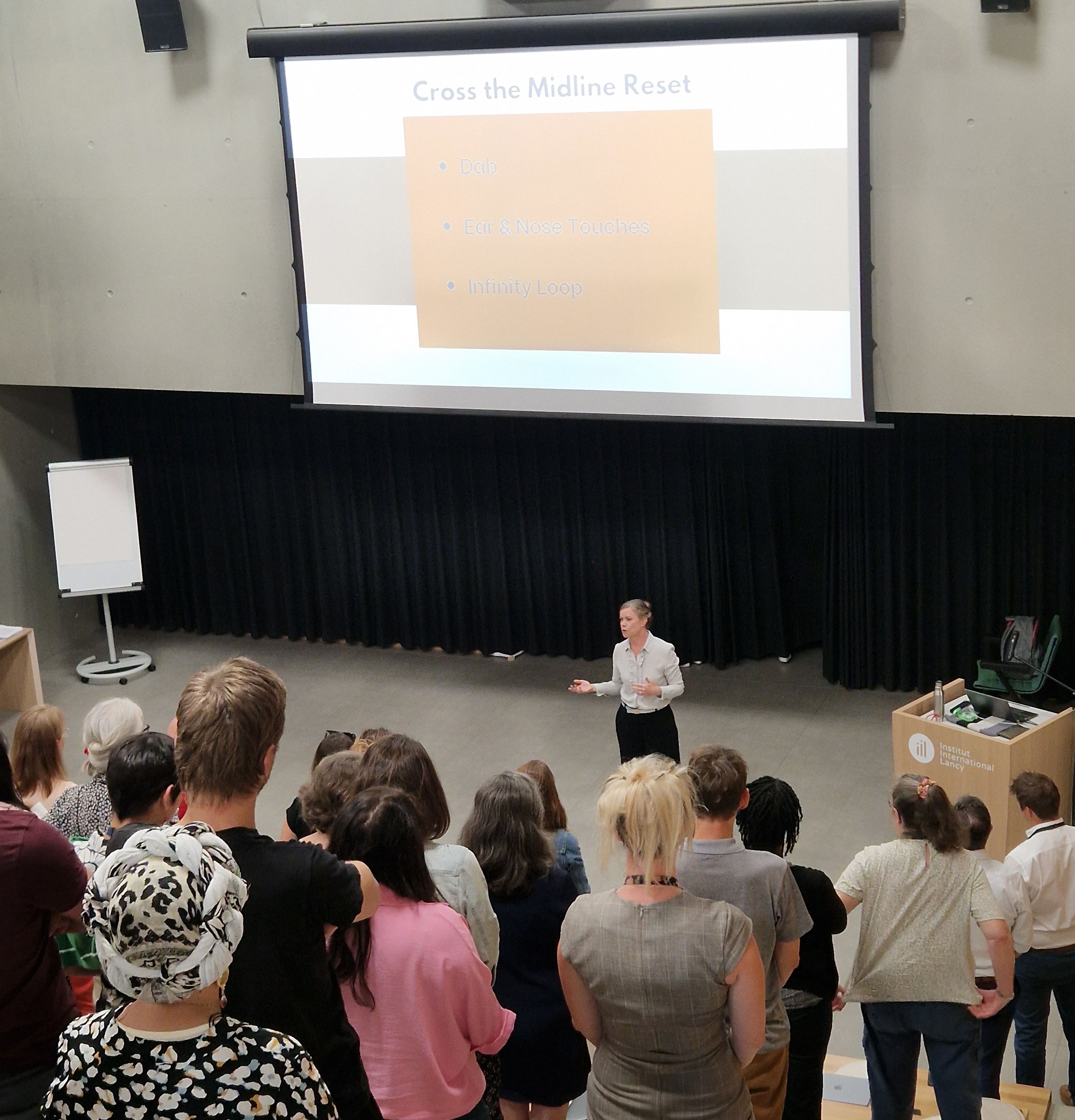
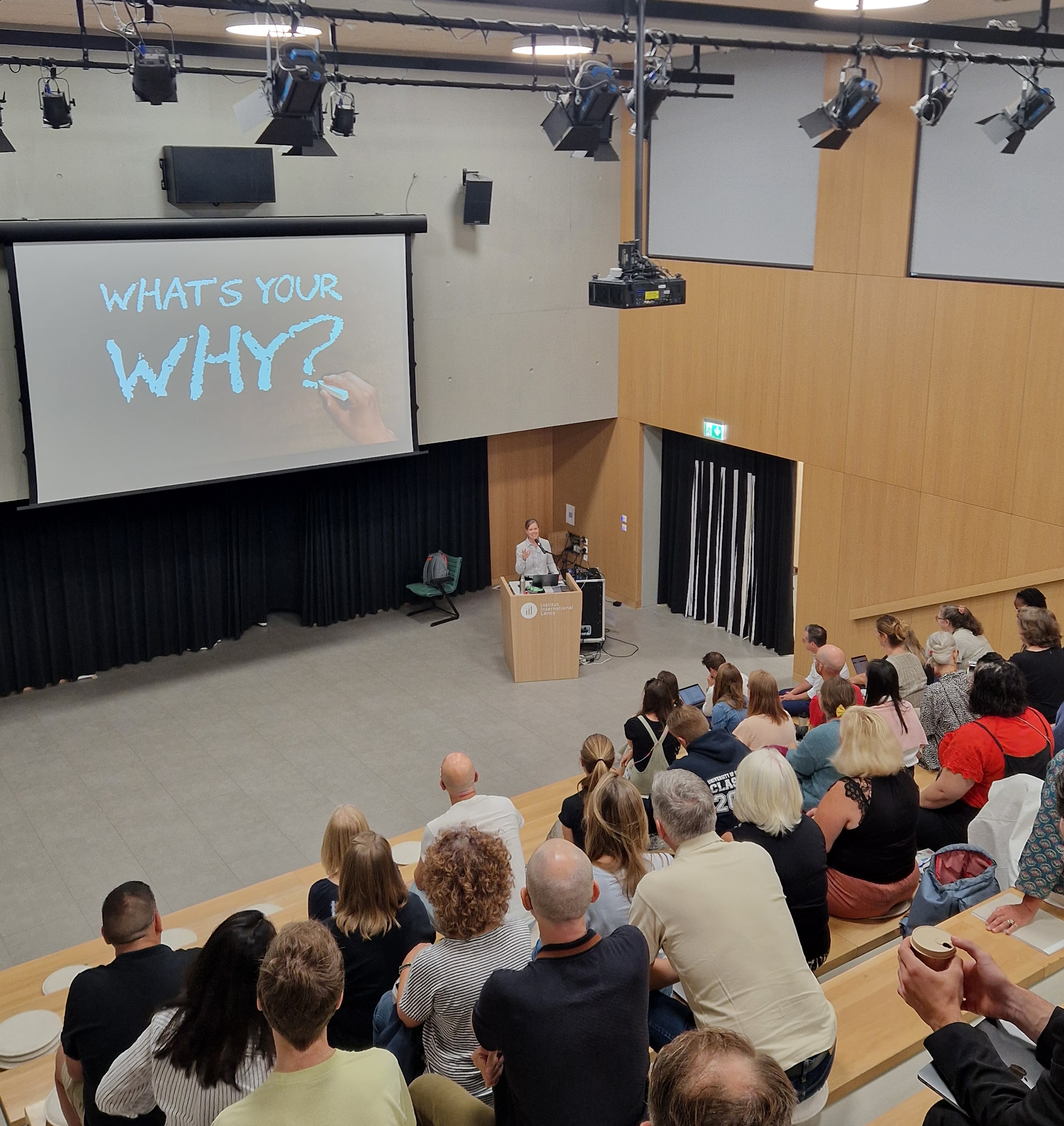
ICSA came to us wanting to do better, not just for a subset of students, but for the whole community. We started with an audit, stayed through the expansion, brought April on site three times over the years to deliver PD to the full staff, and coached a new principal through one of the most complex years of her leadership.
The measure of this work is not how long a school partners with us. It is what they can do without us. At ICSA, the learning assistant program now runs independently. The Life-Centered Education program has its own leadership. The systems April helped build are being carried forward by the people inside the school.
ICSA is well on their way.