The situation
Seoul Foreign School has four sections on one campus: elementary, British primary, middle, and high school. Different curricula. Different buildings. Different age groups.
Strong staff, real commitment to student support. But with four sections running semi-independently, consistency across the school's inclusion journey was harder to pin down than anyone wanted to admit.
John Kett, Assistant Principal, put it directly: they needed to know where they actually stood before they could plan where to go.
"We were trying to find where we already align well and where we could be more cohesive, so the journey feels the same for students, staff, and parents as children move through the school."
That clarity was what they brought us in to deliver.
How the work started
Our process began before anyone set foot on campus.
We requested documentation in advance: referral forms, support processes, existing systems. By the time the on-site work started, we already had real questions shaped by what we'd read.
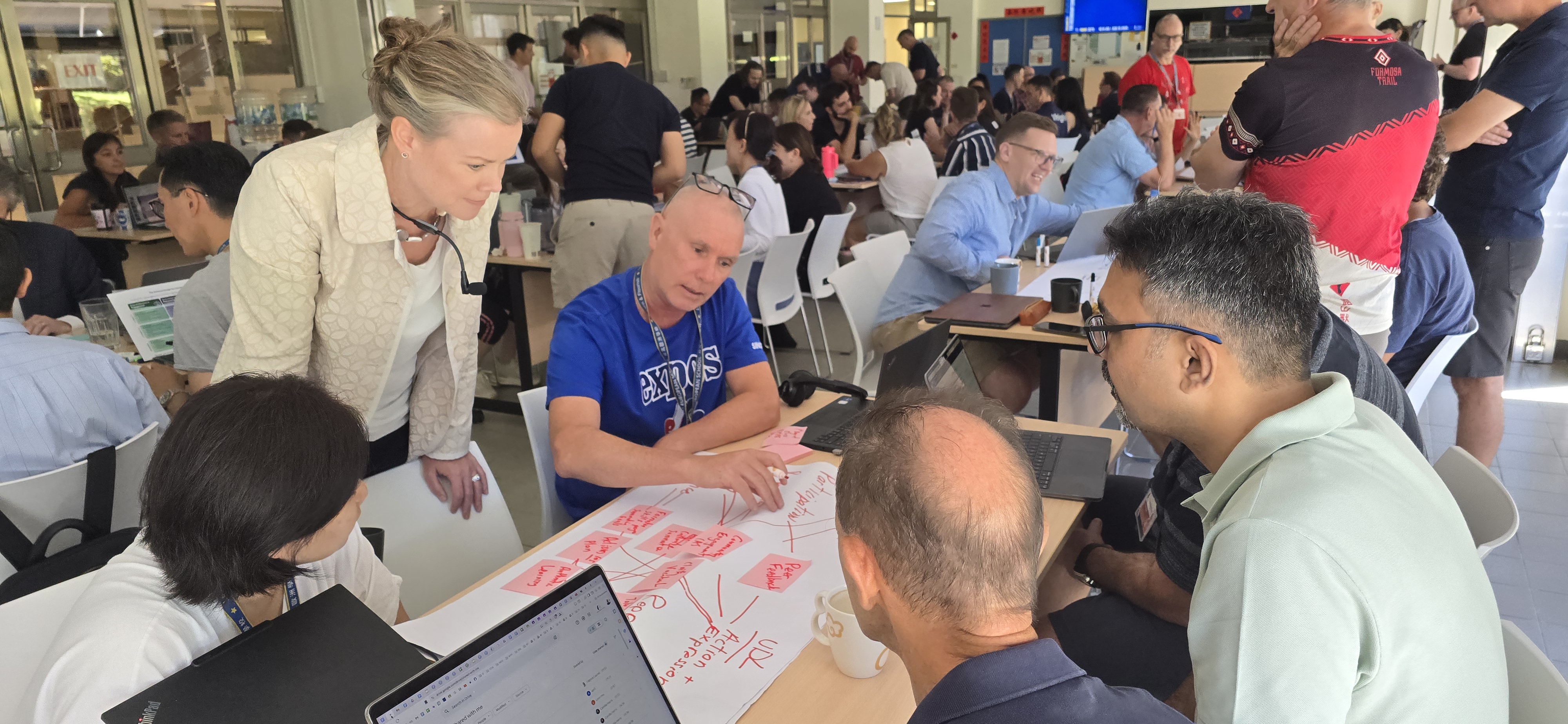
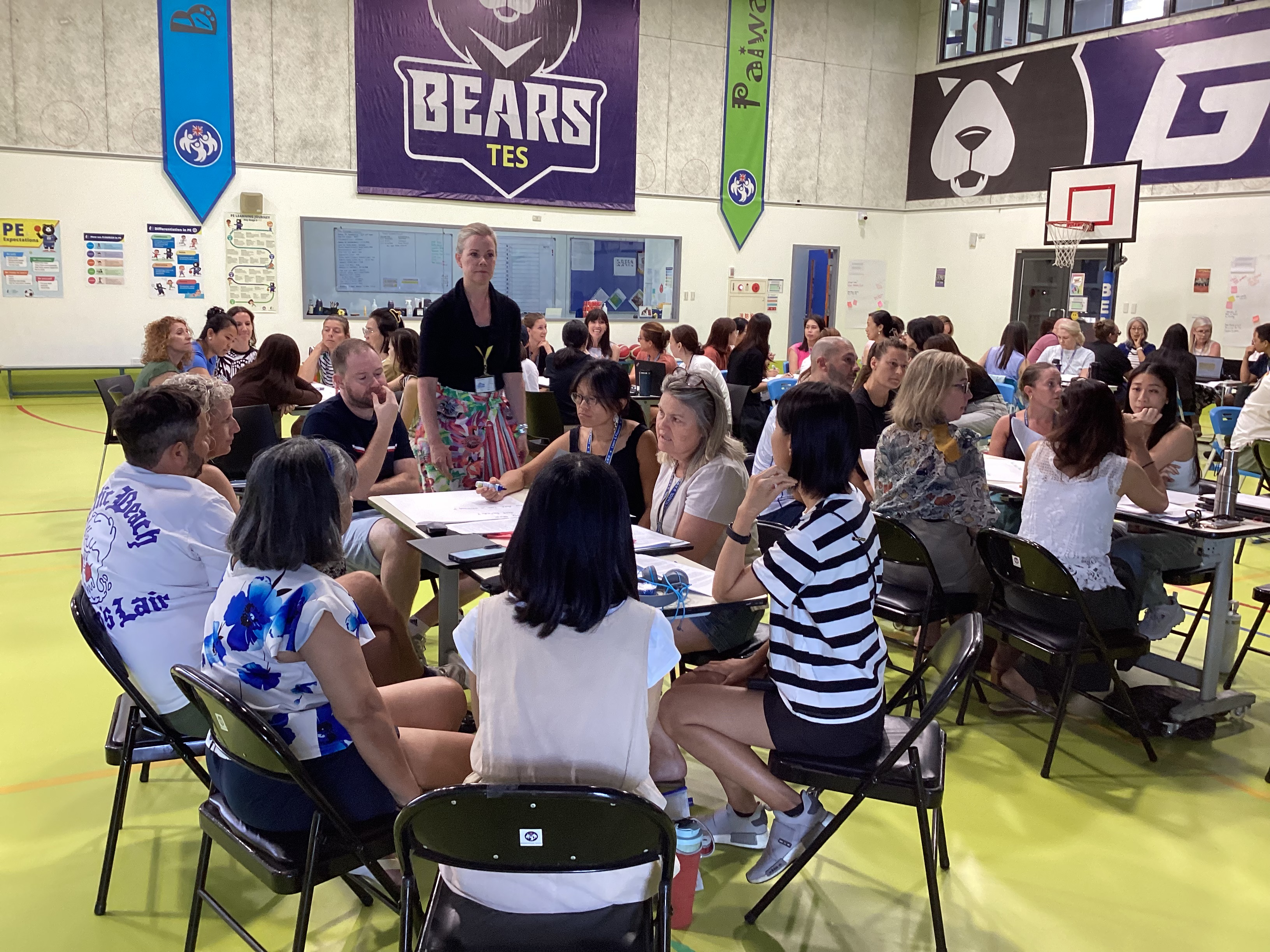
Then came the interviews. Not just leadership. Not just the student support team. Everyone. Teaching assistants, classroom teachers, administrators, across all four sections.
John describes it as a genuine 360 view:
"She spoke to everyone across every aspect of our faculty. It really helped us understand how people were interacting with supporting students at every level of the organisation."
The output was a structured report: what was working, what needed adjusting, and a roadmap built from the school's own data.
What changed
The easy answer is "systems improved." The more honest answer is that something less visible changed first.
Language.
The words staff use to talk about student support shape what teachers believe is possible, and whether a student sees needing support as something fixed about them, or something flexible and available to everyone.
"I'm noticing already how children talk about what it is to need support. It's sort of moving things from quite a fixed mindset to one that's a lot more flexible."
One phrase from our work has stayed with the team: processes, not profits. In international schools, staff come and go. If your inclusion systems are built around individual personalities, they leave with those people. But if the process itself does the heavy lifting, if a referral form asks the right questions, the system holds regardless of who's filling it out.
"Having strong language and a really clear, simple system means you can get the right support to the right children who need them at the right time."
In practice
John expected a one-on-one coaching relationship. What he got was broader.
Calls that started as check-ins became coordination sessions pulling in senior leadership and student support heads across sections. Presentations got reviewed before they landed. An outside perspective on framing, language, data.
"Every time I had a conversation, it felt like getting just gold. Very tangible takeaways. Now that I've heard this, I know what my next step is."
Change is hard in any school. It's harder when you're managing four sections and staff who have legitimate reasons to be skeptical of yet another initiative. Our role isn't just delivering recommendations. It's helping leaders think through how to communicate change so it lands as support, not criticism.
That coaching has been the quieter part of the work. For John, it's been one of the most valuable.
What John would tell another school leader
"She asks terrific questions, listens very well, and has great humour, which you definitely need in education. But it comes with wisdom and real experience. Every conversation with April gives you something you can actually use."
"I think she's ace, obviously."
What a Program Review actually delivers
Seoul Foreign School came to us wanting clarity, not a list of things they were doing wrong, but a realistic picture built from the people and systems they already had.
We gathered the data, spoke to the people doing the daily work, and stayed involved through implementation. The goal is never a school that needs us forever. It's a school with the systems, language, and internal capacity to keep inclusion moving forward on their own.
Two to three years into that journey, Seoul Foreign School is well on their way.